
Unlock your body’s innate healing potential by simply changing when you eat. Intermittent fasting (IF) – the practice of condensing meals into an 8-10 hour window – triggers powerful biological processes that cleanse cells, reduce inflammation, and optimize metabolism. This comprehensive guide reveals how to implement IF correctly for maximum benefits.

The Science Behind Intermittent Fasting
Key Biological Mechanisms
- Autophagy Activation: Cellular “clean-up” process peaks at 16+ hours fasting (Nobel Prize 2016 research)
- Insulin Sensitivity: 24% improvement in glucose metabolism (Journal of Clinical Endocrinology)
- Inflammation Reduction: 40% decrease in CRP markers (Annual Review of Nutrition)
Proven Health Benefits
✅ Enhanced fat burning & weight management
✅ Reduced risk of chronic diseases
✅ Improved brain function & mental clarity
✅ Increased lifespan (animal studies show 30% extension)

The 3 Most Effective Fasting Windows
| Fasting Protocol | Eating Window | Best For | Difficulty |
| 12-8 Method | 12 PM – 8 PM | Beginners | ★☆☆☆☆ |
| 14-10 Method | 10 AM – 6 PM | Metabolic health | ★★☆☆☆ |
| Warrior Diet | 4 PM – 8 PM | Advanced fasters | ★★★★☆ |
Best Starting Point: 12 PM – 8 PM window (skip breakfast, eat lunch/dinner)

What Breaks a Fast? (Surprising Truths)
Allowed During Fasting:
✔ Black coffee/tea
✔ Plain water
✔ Electrolytes (sodium, potassium)
Avoid (Breaks Fast):
✖ Cream/sweeteners
✖ Bone broth
✖ BCAA supplements
7-Day Meal Plan for Success
Sample Eating Window (12 PM – 8 PM):
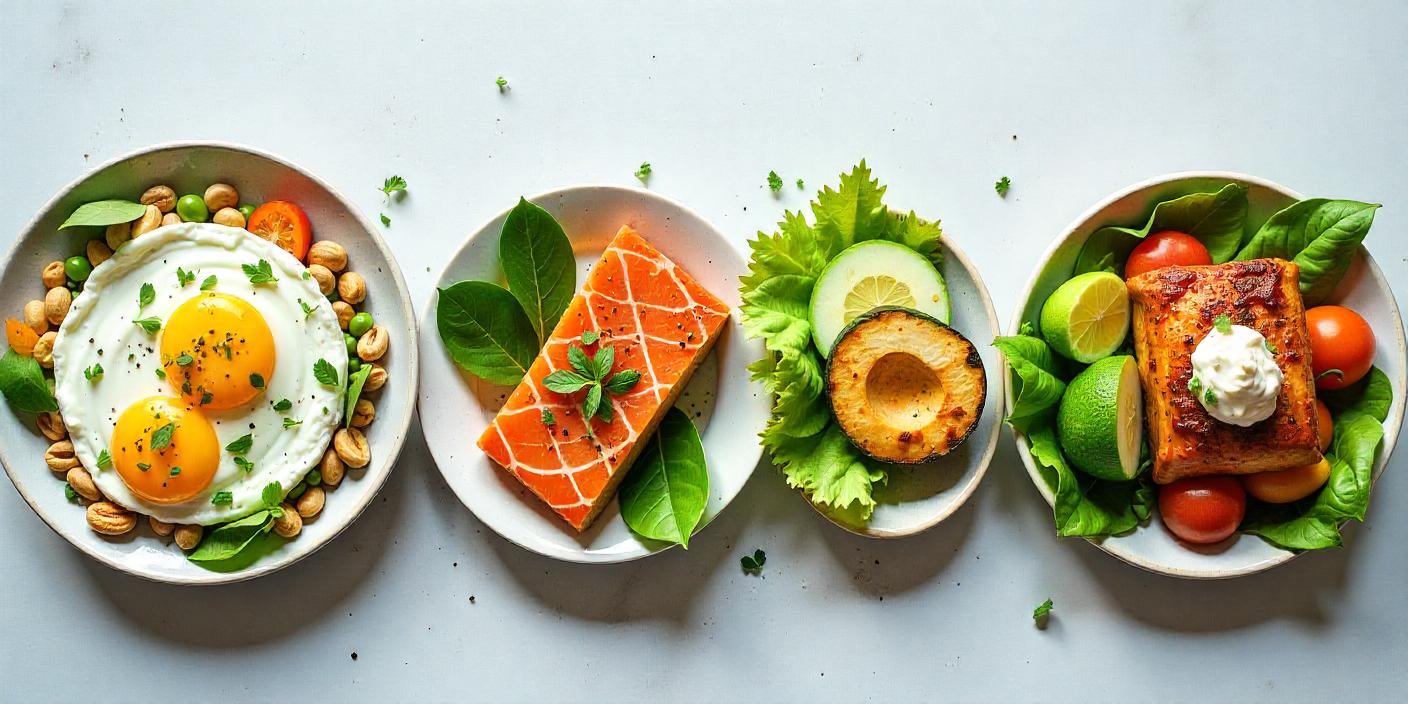
- 12 PM: High-protein meal (eggs, salmon, avocado)
- 3 PM: Handful nuts + green tea
- 6 PM: Balanced dinner (protein + veggies + healthy fats)
- 7:30 PM: Protein-rich snack (Greek yogurt, cottage cheese)
Pro Tip: Break your fast with protein, not carbs, to stabilize blood sugar.

Common Mistakes to Avoid
❌ Overeating during feeding windows
❌ Not staying hydrated
❌ Starting too aggressively
❌ Ignoring electrolyte balance\

Who Should Avoid IF?
- Pregnant/nursing women
- Those with eating disorder history
- Type 1 diabetics (without medical supervision)
Underweight individuals

30-Day IF Transformation Timeline
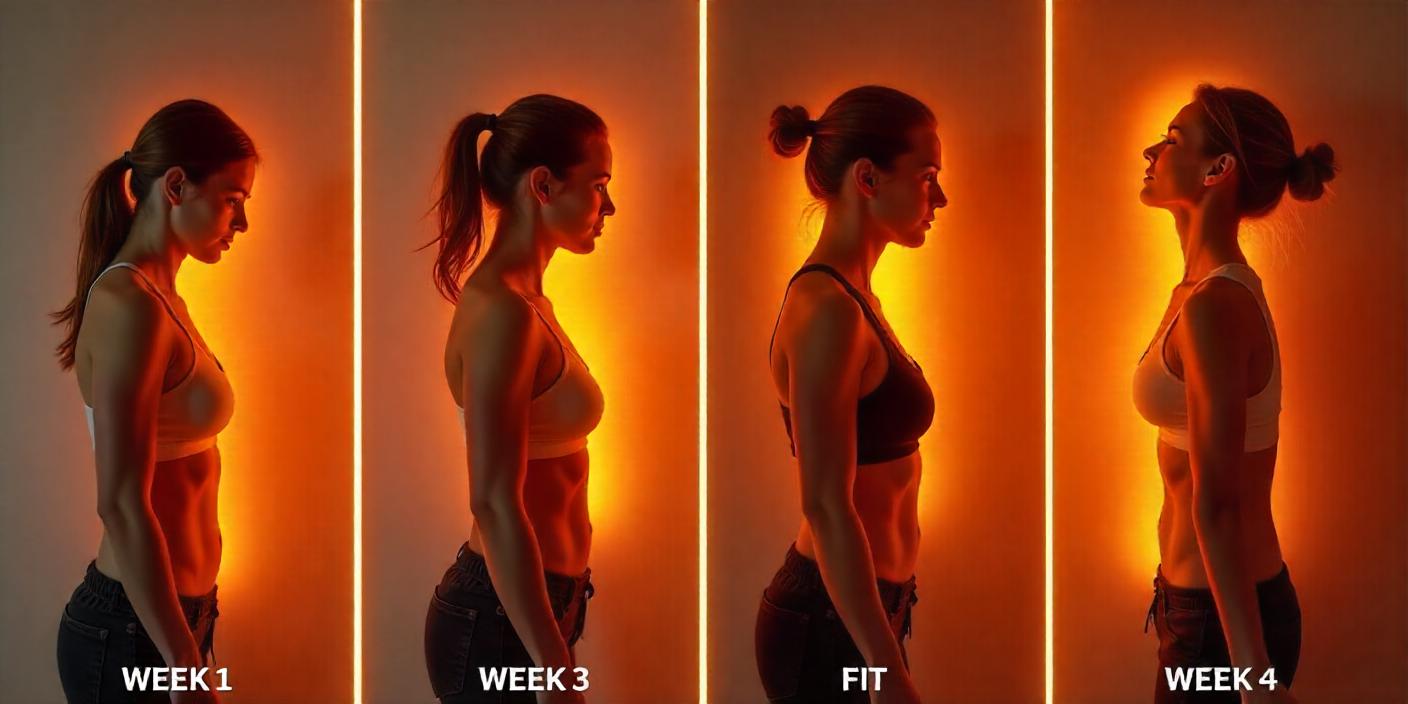
- Week 1: Hunger adaptation phase
- Week 2: Notice mental clarity improvement
- Week 3: See body composition changes
Week 4: Experience sustained energy levels
When to Seek Professional Guidance
Consider expert advice if you:
- Have metabolic conditions
- Experience adverse symptoms
- Want personalized protocols
- Need help with plateaus
For advanced metabolic health tools: Explore professional solutions.